





Certificate of occupancy
In the United States, a certificate of occupancy (also known as a use-and-occupancy certificate) is a document issued by a local government agency or building department to confirm that a building is fit for human occupation.
The procedures involved in the certificates vary according to the jurisdiction and the type of building. The most common situations in which a certificate is required include:
- Construction of a new building or structure.
- Conversion of a building from one use to another.
- Change of ownership.
- Significant alteration to a building.
There are several reasons for obtaining a certificate of occupancy, including:
- To legally affirm that the building is in a habitable condition.
- To confirm that the building has been constructed and maintained in accordance with building codes and the specifications that were submitted to the local authority before construction began.
- To confirm the building’s classification of use.
- To enable the building to be sold legally.
The certificate will not be issued until all inspection requirements have been passed and any fines have been paid in full. Inspections often focus on ensuring that the building complies with fire safety codes, installation of services has been done correctly, and the building is structurally capable of withstanding likely seismic activity, and so on.
A temporary certificate of occupancy may be obtained which provides the same rights as an ordinary certificate but for a fixed period of time, which can vary from 30 to 90 days depending on the jurisdiction that issues it. Once it expires, the building owner can re-apply for another temporary certificate if required, for example, if the building is still undergoing construction work while part has been completed and is capable of being occupied.
[edit] Related articles on Designing Buildings Wiki
Featured articles
Check out some of the best features and news from Designing Buildings as well as key stories from around the web.

The heritage of nuclear and conventional power stations.
New measures to stop people being ripped off

Government to protect families from cowboy builders and aggressive bailiffs.

New Futurebuild showcase brings an innovation-first approach.
National Planning Policy Framework
Understanding the 2026 changes.
ECA's public affairs priorities

Member consultation opens to shape priorities for 2027 to 2030.

Dutyholder responsibilities from 1 July 2026.
Where performance meets practice

The Building Envelope Stage at UKCW Birmingham.

CIAT publishes briefing on planning reforms.
Leaders in Learning for Practice Network
Call for conservation leaders in learning to register interest in new network.
The importance of early engagement

Construction lessons from the Trillium HealthWorks Experience Centre.
Mayors are to be given planning call in powers

Mayors across England will be able to make the most important planning decisions.
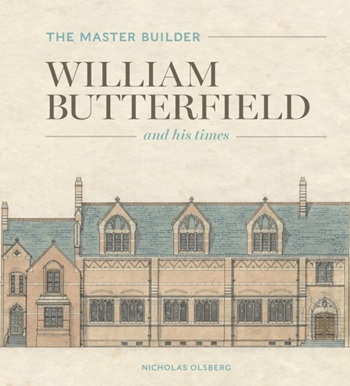
The Master Builder: William Butterfield and his times. Book review.